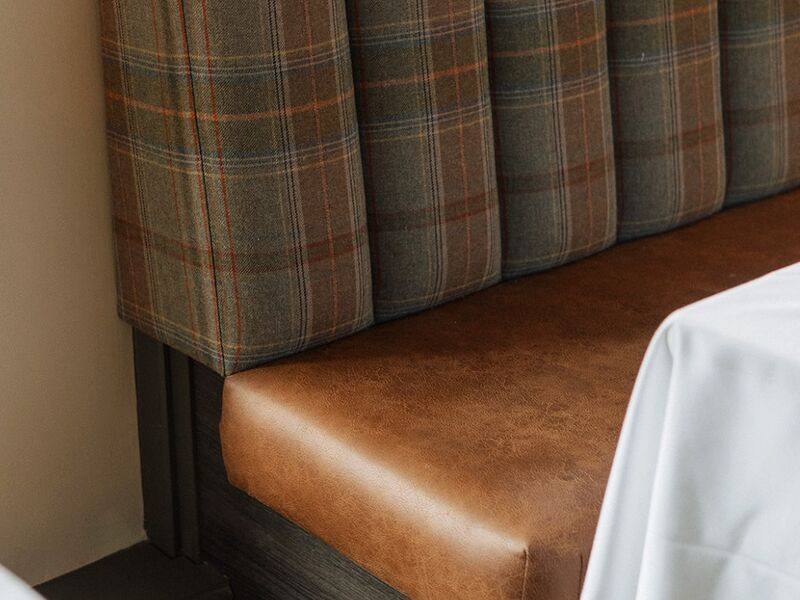
Upholstered furniture is a wooden or metal frame wrapped in layers of padding and fabric, designed to last decades when well-made and maintained. Unlike flat-pack alternatives, traditional upholstered pieces – sofas, armchairs, dining chairs – are built by hand from a structural core outward. At JSW Upholstery in East Tilbury, we restore and rebuild these frames because the engineering underneath often outlasts the cover.
How is upholstered furniture actually made?
A proper upholstered chair or sofa starts with a frame: typically hardwood (beech, ash) or steel, joined at the corners and braced underneath. This frame bears all the weight and movement. The better the joinery, the longer the furniture survives. Over that frame, upholsterers layer webbing (strips of jute or cotton woven across the base), springs (coil or pocket springs in quality work), a layer of hessian to hold everything steady, then cotton or wool batting, and finally the outer fabric. Each layer has a job. The webbing distributes load. The springs absorb weight and movement. The batting softens and smooths. The fabric is the face – but it’s the last thing to fail.
The skill is in the sequence and tension. A chair reupholstered properly sits and feels the same way it did when new because the frame is unchanged – only the coverings are refreshed. This is why many homeowners in South Essex keep furniture for thirty or forty years. The original engineering is sound. The cover simply wears out.
What materials go into upholstered furniture?
Frames use hardwoods or metal because they must not flex or break. Springs – coil, pocket, or sinuous wire – need to move thousands of times without failing. Webbing is always natural fibre: jute or cotton. Batting is wool, cotton, or synthetic polyester, chosen for softness and resilience. The outer fabric varies: linen, wool, cotton blends, velvet, leather, or performance fabrics designed for high wear or homes with pets and children. Marine upholstery – caravan and boat seating – uses the same principles but adds fire-retardant treatments and materials that tolerate moisture and movement.
Quality upholstery uses natural fibres where the structure meets the eye because they age better, breathe, and feel better to sit on. Cheaper pieces skip layers, use thin padding, or glue fabrics to plywood frames. They feel flat, sag within a few years, and cannot be restored because there is nothing underneath worth saving. Antique pieces often have horsehair, coconut fibre, or wool because synthetics didn’t exist when they were made – and those materials often prove more durable than modern equivalents.
How do you know when upholstered furniture needs restoring?
The frame and springs tell the truth. Sit on the piece and listen. A creak or groan signals loose joints; a flat, dead feel means the springs or batting have collapsed. Visible signs include sagging seats or backs, torn seams, exposed webbing, stains that won’t lift, or springs poking through the cover. If the frame is still solid – it doesn’t rock, joints don’t shift – and the padding still supports weight, restoration is worth considering. If the frame is broken (split wood, cracked joints, rust on metal), repair becomes necessary before reupholstery.
Antique and heritage pieces almost always merit restoration because the craftsmanship underneath – hand-cut joints, natural materials, proper suspension – is no longer standard. A Victorian wingback or 1960s teak-frame sofa often sits on a frame worth keeping for another thirty or forty years. Modern flat-pack furniture rarely has this durability, so replacement is usually more sensible than restoration. The question to ask is simple: is the frame still sound? If yes, and the piece matters to you, restoration makes economic and environmental sense.
What happens during reupholstery?
The upholsterer removes the old cover by cutting it away carefully. This reveals the frame, springs, webbing, and batting. Each layer is inspected. Webbing that has rotted is replaced. Springs are tested and, if loose or broken, re-tensioned or replaced. The batting is refreshed. Then new hessian is laid, new batting is built up, and a new cover is fitted, sewn, and finished. If the frame has loose joints, these are reglued and clamped before the layers go back on. If springs are missing or broken, springs are reinstalled. The whole piece is rebuilt, not simply re-dressed.
This process takes time because it cannot be rushed. A two-seater sofa or wingback chair typically takes several weeks in the workshop. JSW Upholstery works on one project at a time, with no middleman between you and the craftsman, so you get a prompt estimate and transparent timeline. The result is furniture that looks new but retains its original character and engineering.
Are there upholstery options for special uses?
Marine upholstery – for caravans and boats – uses the same principles as domestic work but with materials and construction chosen for durability in wet, moving environments. Seating must tolerate moisture, salt spray, and constant motion. Fire-retardant treatments are essential in caravans for safety compliance. Hospitality and commercial seating – restaurant, cafe, or hotel furniture – requires fire-compliant fabrics and construction that can withstand heavy daily use and meet Building Regulations. These specialist applications demand materials and finishing work that differ from domestic reupholstery, but the frame-and-layer principle remains the same.
If you operate a caravan, boat, or hospitality business and need seating recovered with minimal disruption, specialist upholsterers who understand the technical and legal requirements become essential. Standard upholstery workshops may not hold fire-certification knowledge or marine-grade materials. JSW Upholstery handles these applications alongside residential and antique work, so the whole project – from estimate through completion – stays in one hand.
Why does the difference between upholstered and other furniture matter to you?
Upholstered furniture is a long-term investment in comfort and durability if it is well-made. A sofa with a hardwood frame and proper springs will outlast three or four flat-pack alternatives. It can be reupholstered as fashion, wear, or damage demands. It suits antique and heritage homes because it can be restored to period standards. It suits families with children and pets because a worn cover can be replaced without discarding the structure. It suits caravan owners and hospitality operators because specialist finishes and fire-compliance are possible.
The disadvantage is upfront cost and the time required for repairs or restoration. A cheap sofa is cheaper to buy and discard. An upholstered piece demands investment and patience. But if the frame is sound and the piece matters to you – whether for looks, comfort, environmental sense, or heritage – understanding what sits under the fabric helps you decide whether to restore or replace, and what to ask a workshop to do.