Wingback chair reupholstery costs depend on frame condition, fabric choice, and labour intensity—typically ranging from mid-hundreds to over a thousand pounds for a quality restoration. The final price reflects whether the original frame is sound, how much padding or webbing needs replacing, and the fabric grade you select. A transparent estimate from a craftsman who inspects the chair first is your safest route.
What actually drives the cost of reupholstering a wingback chair?
The price of reupholstering a wingback chair is not a fixed number—it depends on five concrete factors that become clear only after inspection. First: frame condition. A wingback with a solid hardwood frame that needs only covering and new foam costs far less than one where the webbing has failed, joints have loosened, or the timber itself needs repair. Second: the existing padding and filling. If the chair retains serviceable horsehair or wool, labour reduces. If everything must come off and be replaced with modern foam and calico, the work multiplies. Third: fabric choice. A straightforward linen or cotton print costs less than heavy wool, velvet, or fire-retardant performance fabrics. Fourth: the wings and arms themselves—wingbacks are geometrically complex, with seams, piping, and curved sections that demand more hand-stitching than a simple armchair. Fifth: whether the chair is an antique requiring conservation-minded restoration (gentle removal, original materials where possible) or a mid-century piece ready for modern comfort.
JSW Upholstery works from a detailed inspection and estimate, not a quote calculator. John attends to the chair in the workshop or your home, identifies what the frame holds, checks for woodworm or rot, and discusses your fabric preference before pricing the job. That transparency means no surprises and a genuine understanding of what the chair needs.
How much does fabric choice affect the final price?
Fabric is often the single largest variable in reupholstery cost. A wingback requires roughly 3–4 metres of covering fabric (more if you choose a pattern that needs matching at seams), plus additional yardage for any exterior back panel or under-seat dust cover. Budget fabric—basic cotton, linen union, or standard weave—sits at one end; performance fabrics, heavy wools, velvet, and fire-retardant marine-grade upholstery sit at the other. The upholsterer’s labour cost remains roughly constant, but the material cost shifts significantly.
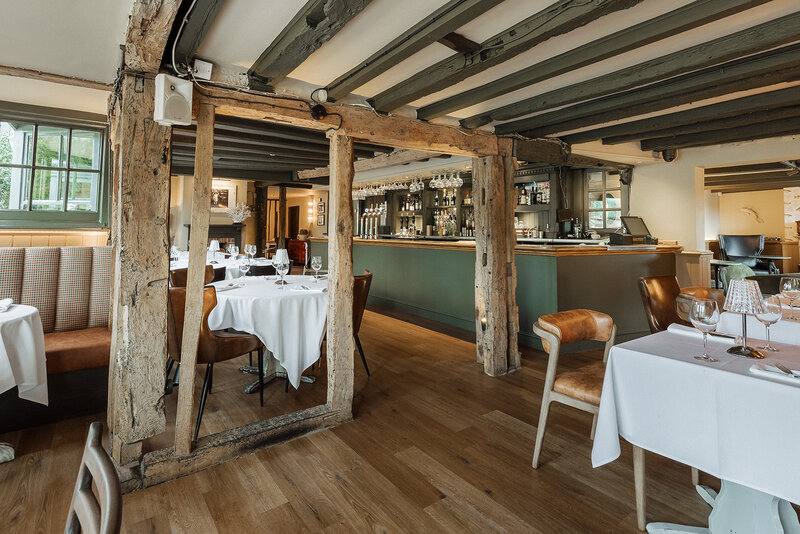
Fire-compliance becomes critical if the chair is destined for a pub, restaurant, hotel, or caravan. JSW Upholstery works with hospitality operators and caravan owners across South Essex and beyond, selecting BS 5852 or equivalent fire-retardant fabrics where required. That specification adds to material cost but is non-negotiable in commercial or leisure settings. Conversely, a family heirloom wingback for a living room allows you to choose period-correct or heritage fabrics—linen, wool, or cotton—often at a lower cost than modern synthetics. Discuss your intended use and aesthetic with the upholsterer at estimate stage; the right fabric choice saves money without compromising longevity.
What repair work beneath the fabric adds to the labour cost?
The frame inspection reveals whether the chair needs structural work. A wingback’s joints—where the arms meet the back, where the seat rail connects to the legs—can loosen or fail over decades. If they do, the frame must be re-glued, sometimes re-webbed, and allowed to set before upholstery can begin. That adds days to the timeline and labour to the bill. Similarly, the webbing that supports the seat and back can rot or sag; replacing it is essential for comfort and durability, and it cannot be skipped.
Antique wingbacks occasionally harbour woodworm or surface rot in the timber. JSW Upholstery identifies these during inspection; treatment or timber repair must happen before upholstery begins, to preserve the piece and prevent further damage. Modern chairs rarely face this, but mid-20th-century pieces sometimes do. The good news: if the frame is sound—joints tight, webbing intact, no rot—labour cost stays lower because the upholsterer can focus on stripping, padding, and covering rather than structural rescue.
Does the chair's age or style change the cost?
Age and style matter more for method than for headline price, but they influence the overall investment. An Edwardian wingback or Victorian piece often demands antique restoration techniques: careful hand-removal of old tacks and fabric, assessment of original horsehair or wool filling (which may be reused), and respect for period construction details. A 1970s or 1980s wingback typically comes with modern webbing, staples, and synthetic foam—easier and faster to strip and replace. Both can be beautiful; the older chair simply asks for more skill and care, which the estimate will reflect.
Designer and bespoke pieces—wingbacks built to custom dimensions or with unusual proportions—require the same labour as standard sizes but sometimes demand custom pattern-cutting and fitting. JSW Upholstery’s residential reupholstery portfolio spans heritage restoration and contemporary pieces, so the workshop is equipped to handle both paths. At estimate, clarity about the chair’s provenance and your restoration goal (period-correct, modern comfort, or a blend) allows the craftsman to quote accurately.
How long does reupholstery take, and does timeline affect cost?
A straightforward wingback—sound frame, no structural work, simple fabric, no piping or special finishes—typically takes 3–4 weeks from drop-off to collection. That includes time for frame inspection, stripping, any necessary structural repair, padding, covering, and stitching. More complex work—antique restoration, bespoke sizing, patterned fabric matching, decorative piping, or fire-compliance certification—extends the timeline to 5–8 weeks or longer. JSW Upholstery manages each job without pressure; the workshop is small and crafted by hand, not industrial, so throughput is honest rather than rushed.
Urgency does not change the base cost at JSW, but it is worth checking availability at estimate. If you need the chair ready for a specific event, discuss that upfront; the craftsman will be transparent about whether it’s feasible. Most homeowners and heritage owners plan ahead, so the timeline rarely becomes a cost multiplier.
How do you get an accurate estimate for your wingback?
The only honest way to cost a wingback reupholstery is to have the chair inspected. Bring it to the workshop, or invite the upholsterer to view it at home—JSW Upholstery works both ways. The inspector will check the frame joints, test the webbing and springs, examine the padding, and discuss your preferred fabric and any special requirements (fire-compliance, period restoration, custom sizing). From that conversation, a detailed estimate emerges. You know what you’re paying for, why, and what the outcome will be.
Get estimates from more than one workshop if you choose. A competent upholsterer will spend 20–30 minutes on a thorough inspection and quote, not 5 minutes. Suspiciously low quotes often signal rushed inspections or hidden costs later. A transparent estimate—one that itemises frame repair, padding, labour, and fabric—lets you make a real choice about value. Contact JSW Upholstery for a no-obligation estimate in East Tilbury or across South Essex; John will provide clarity on price and timeline.