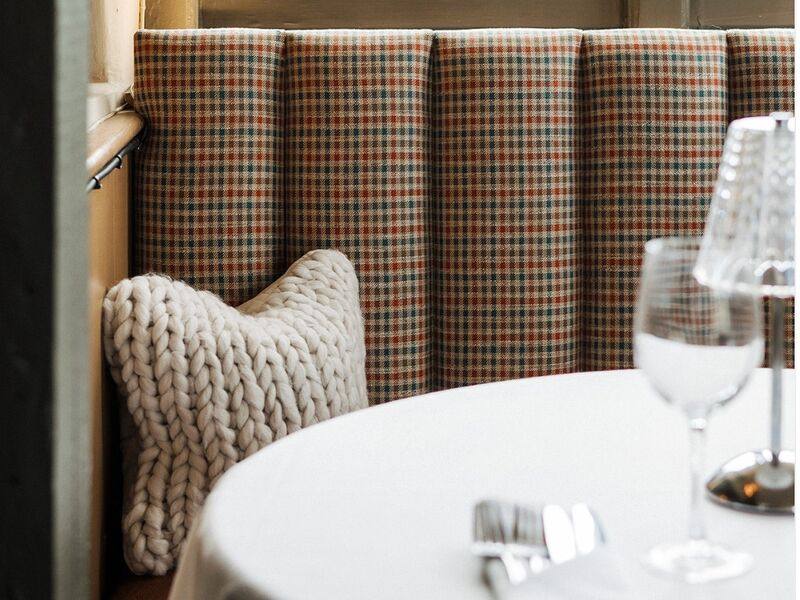
A dining chair worth keeping deserves proper upholstery. The choice between fabric type, frame condition, and style depends on how you use the chair, the quality of its frame, and whether you’re restoring an inherited piece or refreshing everyday seating. Understanding these factors helps you avoid costly mistakes and keep chairs that matter.
When is a dining chair frame worth reupholstering?
The frame is the chair’s skeleton. A solid wooden frame—whether beech, oak, or hardwood—can last generations if the joints are tight and the wood is sound. Before committing to reupholstery, inspect the frame for woodworm, loose joints, or splits. A craftsman can repair minor movement and reinforce joints, but severely damaged frames may cost more to fix than the chair’s worth to you. If the frame is original and the chair has sentimental or heritage value, restoration becomes worthwhile. Many dining chairs from the mid-20th century onward have frames solid enough to justify full recovery, especially if they sit at a table you use regularly.
The original construction method also matters. Hand-tied springs, traditional webbing, and proper stuffing indicate a chair built to be reupholstered multiple times over. Mass-produced modern chairs sometimes use stapled fabric over thin foam, which is harder to recover without replacing internal components. Assessing the frame honestly at the start—whether by photograph or in-workshop inspection—prevents surprises later.
What fabrics work best for dining chairs and how do they differ?
Dining chairs take real wear. Spills, crumbs, and friction from bodies moving in and out demand fabrics chosen for durability, not just appearance. Natural fibres like linen and wool breathe well and age gracefully, developing character over years, but they stain more easily and need protective treatments or regular professional cleaning. Synthetic blends—polyester mixed with natural fibres—offer better stain resistance while keeping some natural texture. Pure synthetics like solution-dyed acrylic or performance polypropylene resist moisture and are easiest to clean at home, making them practical for households with children or pets.
Weave density matters as much as fibre type. A tightly woven fabric in any material resists pilling and snagging. Velvet and chenille add luxury and comfort but show every crumb and footprint; plain weaves and twills hide dust better. Colour choice affects maintenance burden—lighter fabrics show stains faster, while mid-tone neutrals and pattern disguise wear. Many homeowners find a blend of performance and aesthetics works best: a durable natural-fibre look in a stain-resistant finish, or a subtle pattern in a hardwearing synthetic that feels substantial rather than cheap.
How do you decide between restoring old chairs and starting fresh?
Restoration of antique or inherited dining chairs often makes sense when the frame is sound and the chair carries memory or style you cannot easily replace. A Victorian parlour chair or a set of mid-century teak dining chairs typically justify the time and cost to recover them properly. Restoration work respects the original proportions, joints, and construction: springs are re-tensioned, webbing is replaced, horsehair or wool stuffing is cleaned and re-layered, and new fabric is applied using traditional methods. The result is a chair with the character and durability of the original, updated for modern living.
Conversely, if you have six mismatched modern chairs and simply want a cohesive look at your table, recovering them all in the same fresh fabric creates instant harmony without the labour of restoration work. The key question is not age but whether the chair’s bones are sound and whether its style or provenance matters to you. A set of solid 1970s oak dining chairs might be undervalued until reupholstered in contemporary linen; a genuinely damaged modern bistro chair might be cheaper to replace than recover.
What does the reupholstery process involve for dining chairs?
Reupholstering a dining chair begins with removal of the old fabric and webbing. The upholsterer then assesses the frame for repairs, checks or replaces springs and webbing, and ensures joints are tight. For chairs with traditional construction, this stage reveals whether the original stuffing—horsehair, wool, or cotton—can be cleaned and re-used or needs replacement. New stuffing is added in layers to match the original comfort and shape. The chair is then fitted with new fabric, using appropriate techniques for the chair’s style: hand-stitching for traditional work, or stapling for modern designs where the joints will be covered.
The timeline depends on the chair’s condition and your chosen approach. A single dining chair in straightforward condition typically takes 1–2 weeks. Antique restoration work or a set of six chairs may take longer. Many workshops, including those in South Essex working with residential clients, offer estimates before starting, so you know the cost and schedule upfront. Having fabric samples delivered to your home before committing allows you to test how your chosen material looks in your dining room light and alongside existing furniture.
How do you choose a colour and pattern that will last visually?
Colour choice for dining chairs should balance personal preference with practical longevity. Neutral backgrounds—cream, grey, taupe, charcoal—provide flexibility if you redecorate walls or replace other furniture. Patterns hide wear and accidental marks better than plains, so a subtle geometric, check, or small-scale floral may outlast an immaculate white linen visually, even if both are equally durable. Bold statement colours work well if you commit to them; hesitant choices often feel dated within a few years.
Consider the light in your dining room and the colours of adjacent spaces. A fabric sample pinned to a chair and viewed in daylight and lamplight shows how it will actually look, not how it appears under shop lighting. If you’re recovering a set, identical fabric unifies the room; if you’re mixing in new chairs with older ones, a complementary but distinct fabric can work if the frames share similar proportions and style. The goal is chairs that feel intentional, whether that means matching perfectly or echoing the same era and aesthetic.
What should you ask a reupholsterer before committing?
Ask for a clear estimate that covers frame repairs, replacement of springs or webbing if needed, labour, and fabric cost. Transparent pricing means no surprises; a craftsman working alone in a workshop has fewer overheads than a large showroom and can often offer honest pricing without hidden markups. Request photographs of the chair before and after any repairs, so you understand what’s been done. Ask about fabric durability and care—whether it’s stain-treated, how to clean it, and whether protection treatments are worth applying.
Clarify the timeline and whether you can view the chair mid-process if concerns arise. A reputable upholsterer will welcome questions and explain their methods. If you’re restoring an antique, ask whether the reupholsterer has experience with that era and style; a workshop familiar with heritage work will preserve structural details and use appropriate techniques. For a set of dining chairs, ask whether they can match fabric grain and pattern placement so the finished chairs look deliberately cohesive rather than individually recovered.