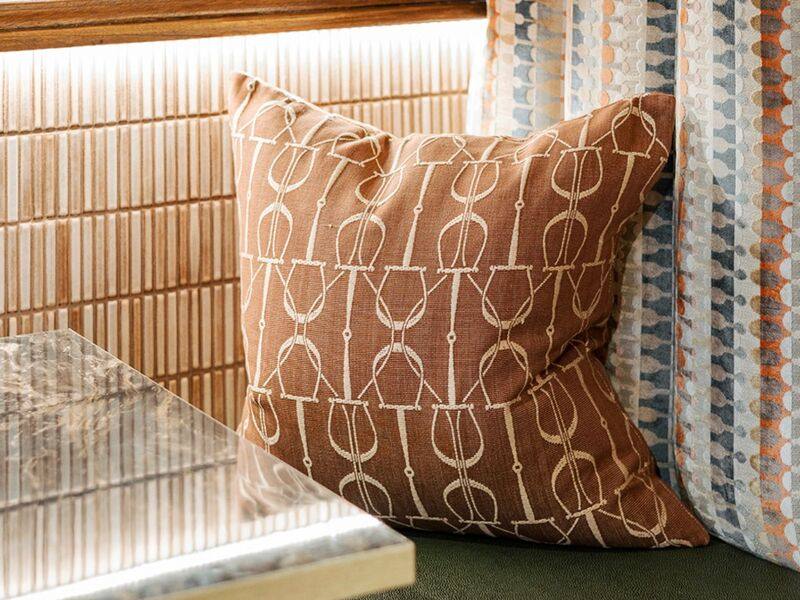
Reupholstery is usually cheaper than buying new when the frame is sound and the piece holds sentimental or practical value. A worn sofa with a solid wooden frame costs less to recover than purchasing a new one. However, the answer depends on the piece's condition, your timeline, and what you’re comparing it against. This guide walks through the factors that tip the scales either way.
Why the frame condition matters most
The structural integrity of the furniture’s frame is the first decision point. If the wooden frame is intact, joints are tight, and there’s no woodworm or rot, the piece is a candidate for reupholstery. A sound frame can last decades more after fresh covering, filling, and springs are replaced. This is where reupholstery wins: you preserve the engineering that’s already proven durable.
Conversely, if the frame is warped, joints are loose, or the legs are damaged, you’re paying for invisible repairs before the cover even goes on. A frame that weak may not be worth recovering at all. JSW Upholstery works with antique and heritage pieces where frames are often worth restoring; modern budget furniture frames often aren’t. This determines whether reupholstery remains economical.
How the cost of reupholstery compares to retail prices
Reupholstery costs vary by piece size, complexity, and material choice. A residential sofa in standard fabric is less expensive to recover than a bespoke wingback chair with piping and scatter cushions. The labour includes removing old covers, inspecting and repairing the frame, replacing worn springs and filling, and stitching the new covering. Because JSW Upholstery works as a single workshop with no middleman, you receive a transparent estimate upfront with no surprises.
New furniture at high street retailers falls into predictable bands: budget sofas start low but often come with lightweight frames and lower-grade mechanisms. Mid-range options offer better durability but command higher prices. When you compare the cost of reupholstering a solid vintage or antique piece against buying new mid-range furniture, reupholstery frequently wins on both price and longevity. The original piece was built to last longer than much contemporary manufacturing.
When keeping the furniture makes financial sense
Reupholstery becomes the sensible choice when the piece has genuine use-value, sentimental weight, or unusual specifications. A cherished family sofa, an antique chair with a frame worth preserving, or bespoke seating built to fit a specific space are all candidates. The designer and residential reupholstery portfolio at JSW Upholstery includes homes where clients have chosen to restore inherited pieces and custom furniture rather than replace them. In those cases, the piece itself has already justified its original cost; you’re extending its life, not buying again from scratch.
Similarly, if your furniture fits your space perfectly—dimensions, style, or specialist use such as caravan or boat seating—replacing it often means buying something that doesn’t fit as well, or paying premium prices for a custom-built alternative. Reupholstery preserves the fit and function while updating the surface.
When buying new is the right call
If the frame is damaged beyond economical repair, the piece is bulky and old but holds no particular value, or you need to replace it urgently, new may be faster and simpler. Reupholstery takes time: a single workshop schedules work sequentially, and waiting times reflect genuine craftsmanship, not delays. If you need seating in two weeks, off-the-shelf retail furniture is the answer.
Buying new also makes sense if the piece is extremely worn, the style is so dated that recovering it feels wasteful, or the original construction was never high-quality to begin with. Modern budget furniture is often glued rather than jointed, foam-filled rather than sprung, and assembled in ways that don’t reward restoration. In those cases, the frame isn’t worth saving.
Material choice and hidden costs
Your fabric choice significantly affects the total cost. Durable contract-grade fabrics (often required for commercial hospitality seating or high-traffic homes) cost more than domestic upholstery fabrics. Specialist requirements—such as fire compliance for hospitality, or UV-resistant covers for marine use—add to the estimate. JSW Upholstery works with caravan and boat owners where marine-grade materials and durability standards shape pricing differently from a domestic sitting room.
When comparing reupholstery to new, factor in whether new furniture includes delivery and assembly, whether there are fabric upcharges, and whether the warranty covers wear. Reupholstery cost is transparent; new furniture often hides ancillary charges. Always obtain a full written estimate for reupholstery before committing, and compare that against the delivered, assembled price of the replacement piece you’re considering.
The practical question to ask first
Before deciding, ask yourself: Does this piece fit my space, meet my needs, and matter to me? If yes, and the frame is sound, reupholstery is almost always better value than replacing it. If no, and the frame is weak, buying new is the answer. In between, obtain an estimate. A transparent quote from a single craftsman with no middleman removes the guesswork. JSW Upholstery provides straightforward estimates with no surprises—call or email for a prompt quote, and you’ll know the true cost before you decide. That clarity is often worth more than the money itself.