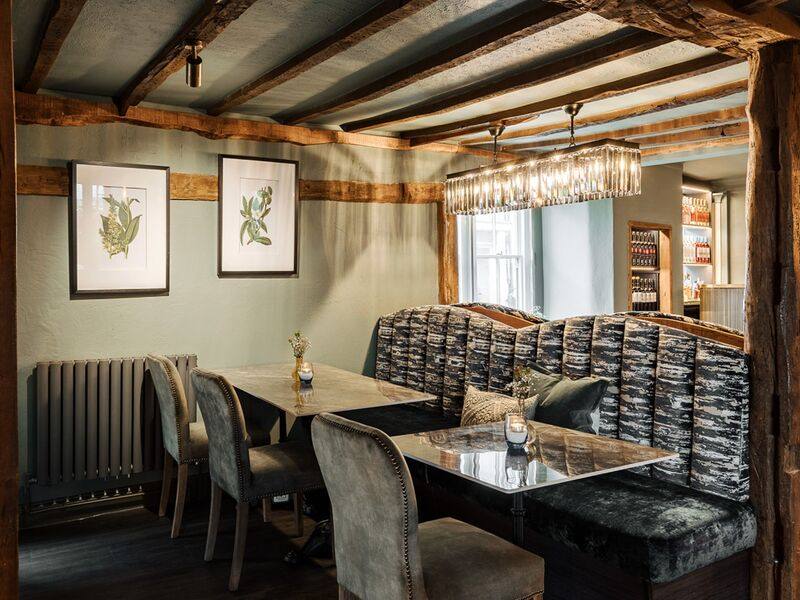
Dining chairs need upholstery that balances everyday wear, cleaning practicality, and your home’s look. The best choice depends on your usage pattern, the chair frame’s condition, and whether you’re restoring an heirloom or updating worn seating. JSW Upholstery works with homeowners across South Essex to recover dining chairs that last, using fabrics proven in residential settings and respecting the original frame’s bones.
Why dining chair upholstery fails, and how to avoid it
Dining chairs take punishment that sofas rarely do. Diners shift their weight, lean back, slide in and out—often with wet jeans or dusty trousers. The seat and back wear faster than any other upholstered surface in the home. Most upholstery failure happens not because of the fabric alone, but because the seat frame underneath has become loose, the webbing has sagged, or the padding has compressed unevenly. A reupholstered chair with a weakened frame will fail again within months.
The studio’s approach to dining chairs always starts by inspecting the internal structure. If the frame joints are weak, they are tightened or reinforced before any new fabric is fitted. The webbing—the crossed straps that support the seat—is often renewed. Old, brittle webbing cannot hold new padding securely, and the chair will sag under normal use. This invisible work is what separates a five-year recovery from a five-month disappointment.
Which fabrics stand up to daily dining use?
Natural fabrics look beautiful but demand care. Linen and wool take colour and texture well, but they mark easily from food spills, coffee, and body oils. Silk is even more vulnerable. If your household includes young children, pets, or casual eating habits, these fabrics require a stain protector applied after upholstery and still need prompt blotting when accidents happen.
Synthetic blends and performance fabrics—polyester-rich mixes, velvet-look weaves, and modern microsuedes—deliver wear resistance without visible plastic feel. They resist pilling, shed moisture better, and hold colour under sunlight longer than natural fibres. A dining chair upholstered in a mid-weight synthetic blend will tolerate a decade of daily use without visible flattening if the frame underneath stays sound.
The real world choice sits between aesthetics and life-expectancy. A linen dining chair in a low-traffic formal dining room (used twice monthly) will age beautifully. The same chair in a family kitchen gets recovered within five years. Discuss your dining pattern—frequency, number of users, pets, children’s ages—with the upholsterer before committing to fabric. The studio’s residential portfolio shows dining sets recovered in both directions, depending on honest client answers about how the chairs will actually be used.
What colour and pattern choices work for a dining set?
Colour sets the emotional tone of a dining space and influences how visible wear becomes. Pale neutrals—cream, soft grey, oatmeal—show spills immediately and require vigilance. Dark fabrics hide crumbs and marks, but dust and lint become obvious in bright light. Mid-tone solids (charcoal, sage, warm taupe) strike a practical balance: marks are less visible than on pale upholstery, and the chairs don’t look tired as quickly as very dark seating can.
Pattern masks wear patterns brilliantly. A dining chair with a subtle geometric or textured weave will show uneven wear far less obviously than a flat solid. Stripes, checks, and geometric prints also anchor the chair within a designed space—they feel intentional rather than merely functional. Solid velvet or smooth linen, conversely, demands that the frame proportions and the room’s other furniture earn the visual space.
Consider also how colour interacts with the existing frame wood and your table. A set of oak Victorian chairs upholstered in cool grey will fight the warm furniture around them. If the chairs are part of a matching set, cohesion usually means a single fabric choice across all seats; if you’re recovering a mix of frames, unifying the upholstery is one of the strongest design moves you can make. The studio’s residential work shows this principle clearly: mismatched wooden frames become a coherent dining set the moment the upholstery is unified.
Should you recover the seat, back, or both?
A dining chair has three upholstered zones: the seat, the back, and sometimes the outside arm or leg cover. Seat wear is almost always the first problem—it flattens, stains, and tears under direct contact. The back and sides wear more slowly because users contact them indirectly. A cost-conscious recovery sometimes targets the seat only, leaving the back in its original state if it remains sound.
This works well if the back fabric is similar in colour and style to your new seat choice. It is noticeably economy if the contrast is stark—new sage velvet on the seat paired with faded original damask on the back reads as patched rather than refreshed. Full recovery (seat and back in matching new fabric) is the more cohesive choice and the one that makes the chairs feel entirely renewed. If the frame or leg covers are dark wood and in good condition, exposing them after full upholstery recovery can look sharper than wrapping every surface.
The studio’s practice is to survey what is worn and what is sound, then recommend the scope that balances budget and durability. Sometimes the back is recovered in a complementary solid where the seat uses pattern; sometimes both are unified. The decision flows from the chair’s condition and your budget, not from a fixed formula.
How do you handle a set of mismatched dining chairs?
Many homes inherit dining chairs from different eras: a pair of Windsor frames, a Victorian balloon-back, a mid-century bentwood piece, and a later reproduction all gathered around one table. Each has different proportions, colour, and character. A common instinct is to keep them visually distinct; a more powerful design move is to unify them through upholstery.
When all chairs are recovered in the same fabric and colour, the visual effect immediately reads as intentional rather than circumstantial. The different frame styles become design variation within a coherent set. This is particularly effective with solid fabrics or subtle textures where the frames themselves stay the visual focus. Mismatched frames in mismatched upholstery read as storage overflow; mismatched frames in matching upholstery read as curated eclecticism. The studio’s residential portfolio includes dining sets of four to eight chairs, recovered in unified fabric, where the frame diversity became an asset after upholstery tied them together.
If you prefer to retain individuality, consider unifying the base colour and varying the texture or subtle pattern—all in the same fabric family. This works if budget is tight or if you want to preserve some chairs while recovering others over time. However, the full unification approach typically achieves a stronger final result and is often the most economical for a whole set.
What happens to the old upholstery and how long does recovery take?
When a dining chair arrives at the workshop, the upholsterer strips it back to the frame—removing all old fabric, padding, webbing, and tacks. This reveals the frame’s true condition: loose joints, woodworm, broken stretchers, or separating veneers become visible. The old materials are disposed of or recycled; you don’t keep strips of 1970s horsehair and flaking webbing. The frame is inspected, repaired where needed, and cleaned.
Recovery of a single dining chair typically takes two to three weeks from drop-off to collection, depending on the workshop’s queue and the complexity of the frame. A simple modern chair with a standard seat and back moves faster. An antique frame with carved detail, complex angles, or multiple components takes longer. A set of four chairs might be quoted as a single job (completed in parallel) or sequenced; the studio can advise on timing when you request an estimate. Transparency on timescale prevents surprises.
Pricing reflects the frame’s size, the internal repairs needed, the fabric you choose, and the labour time. A modest wooden dining chair with a simple frame costs less to recover than a heavily buttoned Victorian chair or one requiring frame repair. The studio provides estimates before work begins so you know the full cost upfront—no hidden charges once the stripping reveals unforeseen damage. This honest approach means some recovery jobs cost more than anticipated (because the frame was weaker than it looked), but you are consulted before the cost escalates.