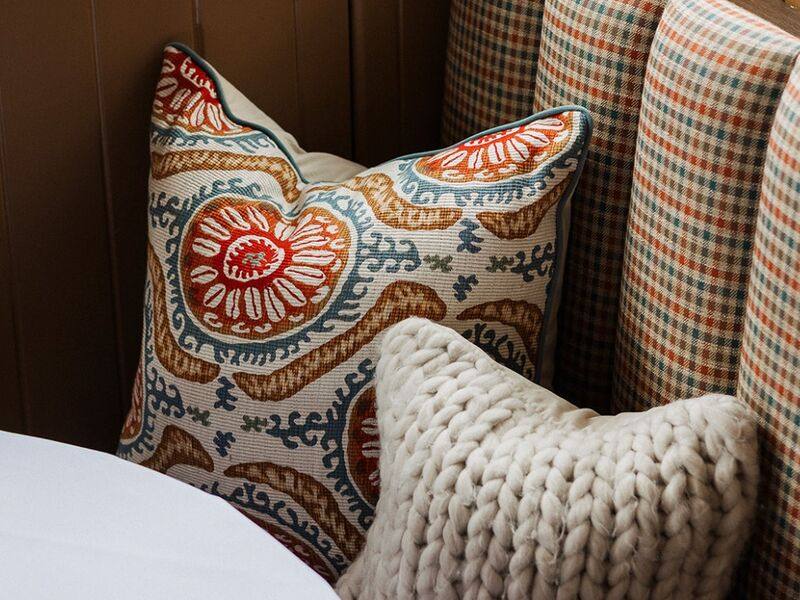
Chair recovering costs depend on the frame condition, fabric choice, and complexity of the original design. A simple modern chair with a sound frame may cost significantly less than restoring a delicate antique with worn timber that needs repair. This guide breaks down the real factors that affect your final bill, based on how an Essex upholstery workshop prices recovery work.
Why the same chair costs different amounts at different workshops
The price you’re quoted for chair recovering varies because the work isn’t the same every time. Two chairs that look identical may have very different frames underneath. One frame might be solid and need only stripping and reupholstering; the other might have loose joints, woodworm, or broken webbing that demands repair before any fabric goes on. A workshop that inspects honestly will account for these hidden costs. A workshop that doesn’t look closely will either underestimate (leaving you with a bill surprise) or overestimate (pricing themselves out of the job).
Material choice is equally significant. The fabric you pick – whether a hardwearing linen, a luxury wool blend, or a durable performance cloth – affects the total dramatically. So does the complexity of the original design. A wingback chair with piping, a button-tufted back, and separate cushions takes longer to plan and execute than a simple contemporary frame. A straightforward estimate reflects these real differences.
What gets inspected before a price is set
Before any estimate lands in your inbox, the frame must be assessed properly. The upholsterer looks for loose joints, broken timber, rust on the springs, or deteriorated webbing – all things that affect both the time taken and the materials needed. If the frame is sound, recovering is straightforward. If joints have shifted or wood has split, the frame may need restabilising before upholstering begins. This work isn’t optional; skipping it will leave you with a chair that feels unstable or fails within months.
The existing covering also matters. If the old fabric strips away cleanly, labour time stays lower. If it’s heavily glued, layered with decades of wear, or stuck fast to the foam or horsehair underneath, removal takes longer – and that time costs. The upholsterer will also check what’s underneath: modern foam, traditional horsehair, cotton felt, jute webbing, or steel springs all affect the decision to retain or replace those elements. A transparent workshop will explain what they’ve found and why it matters to the cost.
How frame condition affects the final bill
A chair with a sound, stable frame is the cheapest to recover. The upholsterer strips the old fabric, checks the internals (springs, webbing, stuffing), replaces what’s worn, and applies new fabric – straightforward work with predictable cost. This is common for residential chairs that are structurally sound but tired or dated. You’re paying for labour and materials only.
Frames that need repair cost more. Loose mortise-and-tenon joints must be re-glued and clamped; split timber may need reinforcement; rusted springs or broken webbing get replaced. If the frame is an antique – perhaps a Victorian wingback or an Edwardian parlour chair – repairs must respect the original joinery and materials. Modern shortcuts damage value. The work is slower, more skilled, and commands a higher price. But without it, the chair won’t hold its recovered state, and your investment fails.
Why fabric choice is the biggest variable
The fabric you select can double or triple the total cost compared to a budget option. A durable home-weight linen or cotton-blend costs less than a performance fabric rated for commercial or marine use. Luxury wools, specialist weaves, or heritage prints cost more still. But this isn’t just about aesthetics or prestige. A fabric chosen carelessly may pill under use, fade in sunlight, or fail to wear as long as the restored frame will last. A residential customer in South Essex choosing fabric for a living-room chair needs something that handles daily use; a caravan owner needs fabric that resists salt spray and UV. The right choice for your environment and use pays dividends over years.
Some fabrics also demand more skilled labour. Patterned cloth must be cut so the pattern runs correctly across panels; directional weaves must be laid consistently; delicate heritage fabrics need extra care during installation. A simple, solid-colour, medium-weight home fabric is fastest to apply. A complex or precious fabric takes longer. That labour is included in the estimate.
Getting a transparent estimate
When you contact an upholstery workshop about recovering your chair, expect them to ask questions before quoting: What is the frame made of? How stable is it? What condition are the springs or webbing in? What fabric are you considering? Are there any repairs you’re already aware of? A workshop that gives you a price immediately, without seeing the chair or asking detail, is guessing. A guessed estimate serves nobody. The real cost emerges only after inspection.
A solid estimate will itemise the work: frame inspection and repair (if needed), stripping and preparation, internal elements (springs, webbing, stuffing, new or retained), and fabric labour. It will note the fabric cost separately, so you can understand how your choice affects the total. It will be clear about what’s included and what’s not – for instance, whether new cushion interiors are separate, or whether delivery is charged. A straightforward, written estimate leaves no surprises when the work is done.
When recovering makes financial sense
Recovering an old chair is worth the cost if the frame is solid or repairable and the chair itself has value to you – whether that’s emotional (a family piece), aesthetic (a design you love), or practical (a chair that fits a space nothing new will fill). A residential chair with a sound frame typically recovers for far less than buying a new equivalent of the same quality. An antique or heritage chair almost always justifies recovery; the frame is often irreplaceable, and a recovered piece retains character a new reproduction cannot match. A caravan or boat seat, if upholstered originally, will recover cheaper than replacing it with a new unit, and marine-grade recovery extends its life considerably.
Recovering doesn’t make sense if the frame is damaged beyond sensible repair, or if the chair is already low-value and unsuitable to your home. If you’re uncertain, an upholsterer who works honestly – one from your local area who will give a transparent estimate and explain clearly what they’ve found – is your best guide. They’ll tell you if recovery is worth it, or if replacement is the better choice.