Upholstery restoration strips a piece back to its frame, repairs the structure, rebuilds the interior layers, and wraps it in new fabric—keeping your original furniture intact. The transformation depends on the frame’s condition, the materials you choose, and whether the piece is a modern sofa or an antique. Understanding each stage helps you make confident decisions about which pieces are worth restoring.
Why the frame matters more than the fabric
The visible upholstery—the fabric you sit on and see—is not what determines whether furniture can be restored. What matters is the frame underneath. A solid timber frame, whether in a Victorian armchair or a 1970s sofa, can be reupholstered many times over. Frames made from quality hardwood and properly jointed will outlast several generations of fabric choices. If the frame is sound, the piece is restorable.
During restoration, the upholsterer removes all the old fabric, webbing, and stuffing down to the bare wooden structure. This is where hidden problems surface: woodworm, rot, loose joints, or broken rails. These structural issues must be addressed before any new upholstery goes on. A frame that’s been properly repaired will feel firmer and last longer than the original—you’re not just recovering, you’re rebuilding.
Antique and period furniture often reveals superior craftsmanship once stripped back. Hand-tied springs, mortise-and-tenon joints, and kiln-dried timber are common in older pieces. Modern mass-produced furniture may have particleboard bases or sinew webbing that cannot be repaired; these pieces reach the end of their life when the frame fails. Assessing frame quality early tells you whether restoration makes financial and practical sense.
What happens inside: the layers you don’t see
Once the frame is bare, the upholsterer rebuilds from the inside out. The first layer is webbing—woven strips of jute or linen stretched across the frame to support the springs or stuffing. Original webbing often rots or loosens; new webbing is stretched tight and tacked securely. On top sits the spring system (if present), or directly the first stuffing layer. This inner architecture determines comfort and durability far more than the top fabric.
The stuffing layers vary by piece and desired feel. Traditional materials include horsehair, coir, cotton, and wool; modern alternatives are high-density foam or polyester fibres. The choice affects cost, longevity, and how the piece feels. A sofa with natural horsehair will develop a different aged character than one with modern foam, but both can last decades if built correctly. The upholsterer will advise based on the original construction and your priorities—whether you want to restore authentically or optimise for modern use.
Between the stuffing and the final fabric sits muslin or calico—a plain cotton layer that holds everything in place and protects the cover fabric from direct contact with the stuffing. This layer prevents dust penetration and extends fabric life. On antique pieces, you may see original muslin dating back decades, proof of the care taken in construction. New muslin is fitted as part of the restoration process.
How fabric choice affects the final result
The fabric you choose is the decision that most visibly transforms a piece. It’s also the most personal. A Victorian dining chair can be dressed in reproduction period fabric to feel historically authentic, or in a contemporary neutral linen to suit a modern room. A worn family sofa becomes either a statement piece in bold colour or a timeless neutral anchor. The frame underneath is the same; the fabric tells the story.
Weight, weave, and fibre content all matter practically. Heavy-duty upholstery-grade fabrics—linen, wool blends, performance fabrics—withstand daily use and frequent sitting. Lighter fabrics suit occasional chairs or pieces in low-traffic areas. Patterned fabrics hide wear; plains show it. Natural fibres breathe and age beautifully but require care; synthetic blends and performance fabrics resist stains and shed less. Your choice depends on the piece’s role in your home and how much maintenance you want.
Sourcing fabric is part of the restoration process. Some clients bring swatches; others work from the upholsterer’s suppliers or recommendations. Heritage and antique pieces sometimes benefit from period-correct reproduction fabrics that echo the original aesthetic. Modern pieces have wider freedom. The upholsterer will advise on what works with the style, durability for the piece’s use, and how pattern or colour affects visual proportion.
Before and after: what changes and what stays the same
The most common misconception is that reupholstery changes the shape or size of a piece. It doesn’t. The frame remains; the silhouette stays. What changes is comfort, durability, and appearance. A sagging sofa that lost its support regains firmness because the interior has been rebuilt. An armchair with worn or stained fabric becomes pristine again in a colour or pattern of your choice. An antique dining chair that’s been sat in for fifty years returns to like-new condition while keeping its original wooden legs and frame details.
What stays the same includes the frame dimensions, original timber details (legs, arms, carved elements), and the piece’s fundamental character. An upholsterer doesn’t alter the proportions or redesign the structure unless explicitly asked. Period features—brass nailing, exposed wood, hand-stitched details—are preserved or restored as part of the work. The piece you get back is recognisably the same furniture you sent in, but renewed.
Some changes are intentional upgrades. Modern fire-retardant fabrics and interlays meet current UK safety standards on sofas and seating. Better-quality springs or foam improve comfort. Piping, buttoning, or skirts can be added or removed depending on your preference. These choices are discussed upfront, and estimates are transparent so you know what you’re paying for.
When restoration makes sense and when it doesn’t
Restoration is worth considering if the frame is sound, the piece has sentimental or design value, and the cost is reasonable relative to replacement. A family heirloom dining chair, a mid-century sofa with solid joints, or a vintage caravan seat all justify the work. A piece you love but that’s fallen into disrepair becomes usable again. The cost of upholstery varies with fabric choice and the extent of structural repair needed, but honest estimates give you a clear picture before work begins.
Restoration doesn’t make financial sense if the frame is damaged beyond repair—broken rails that can’t be rejointed, rot that’s structural, or particleboard bases that have delaminated. Very cheap, flat-pack furniture with no internal structure may cost less to replace than to restore. Mass-produced pieces from the last ten to fifteen years often fall into this category. An upholsterer will be honest about this; there’s no incentive to undertake work that won’t satisfy the client.
Ask for an estimate before committing. A reputable upholsterer will inspect the piece, identify any structural work needed, and quote transparently. You’ll know the cost of fabric, labour, and any repairs upfront, with no surprises. This clarity lets you decide whether the piece is worth restoring or whether a replacement better serves your needs and budget.
Special cases: antiques, marine seating, and commercial pieces
Antique and heritage furniture restoration follows stricter principles. The goal is often to preserve authenticity—using period fabrics, traditional stuffing materials, and methods that honour the original maker’s work. A Victorian chaise longue or Georgian dining chair isn’t simply reupholstered for comfort; it’s restored to reflect its era. This may mean hand-stitching, traditional webbing, horsehair filling, and reproduction period fabric. The work takes longer and may cost more, but the result respects the piece’s history.
Marine upholstery—seating for caravans, motorhomes, and boats—has different requirements. The fabrics must resist moisture, salt spray, UV exposure, and the movement of a mobile environment. Stitching and seams are reinforced. Materials are chosen for durability in harsh conditions. Caravan and boat seats are often reupholstered by specialists who understand these unique demands. The before and after transformation is dramatic: a sun-bleached, cracked motorhome seat becomes fresh and secure again.
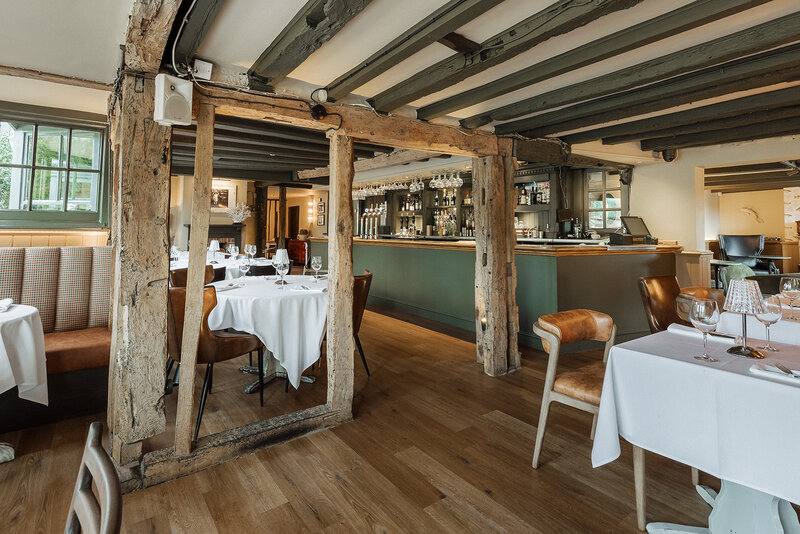
Commercial hospitality seating—pub chairs, restaurant booths, hotel lounge furniture—must meet fire safety standards under UK regulations. Fabrics must be fire-retardant, and interlays must comply with BS 5852. Reupholstering commercial seating requires knowledge of these standards and the ability to source compliant materials. The visual transformation is similar to residential work, but the legal requirements add an extra layer of assurance that the piece is safe for public use.